Showing posts with label Chinchilla. Show all posts

Wednesday, 19 May 2021

The Big Lap - Yay - Week 1

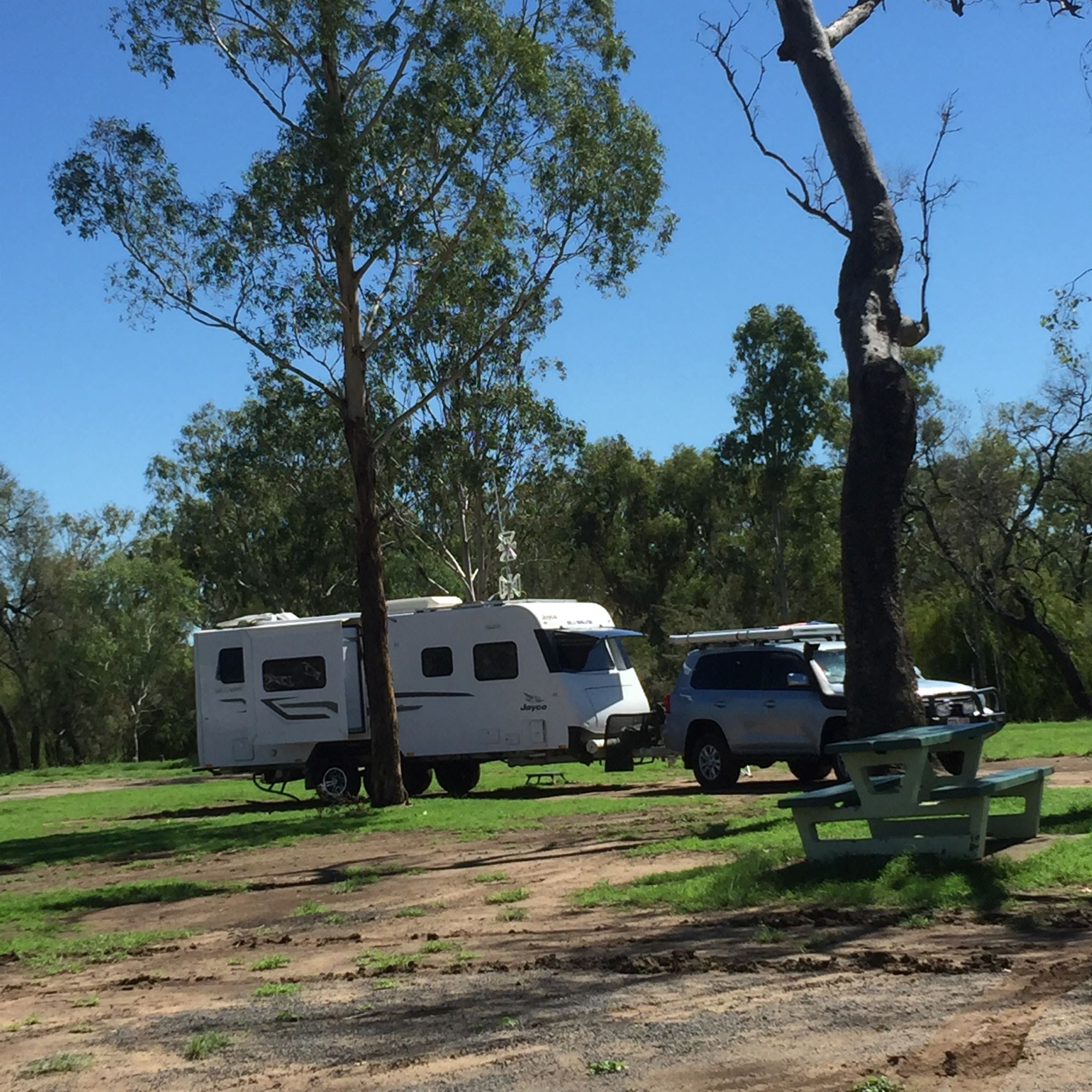
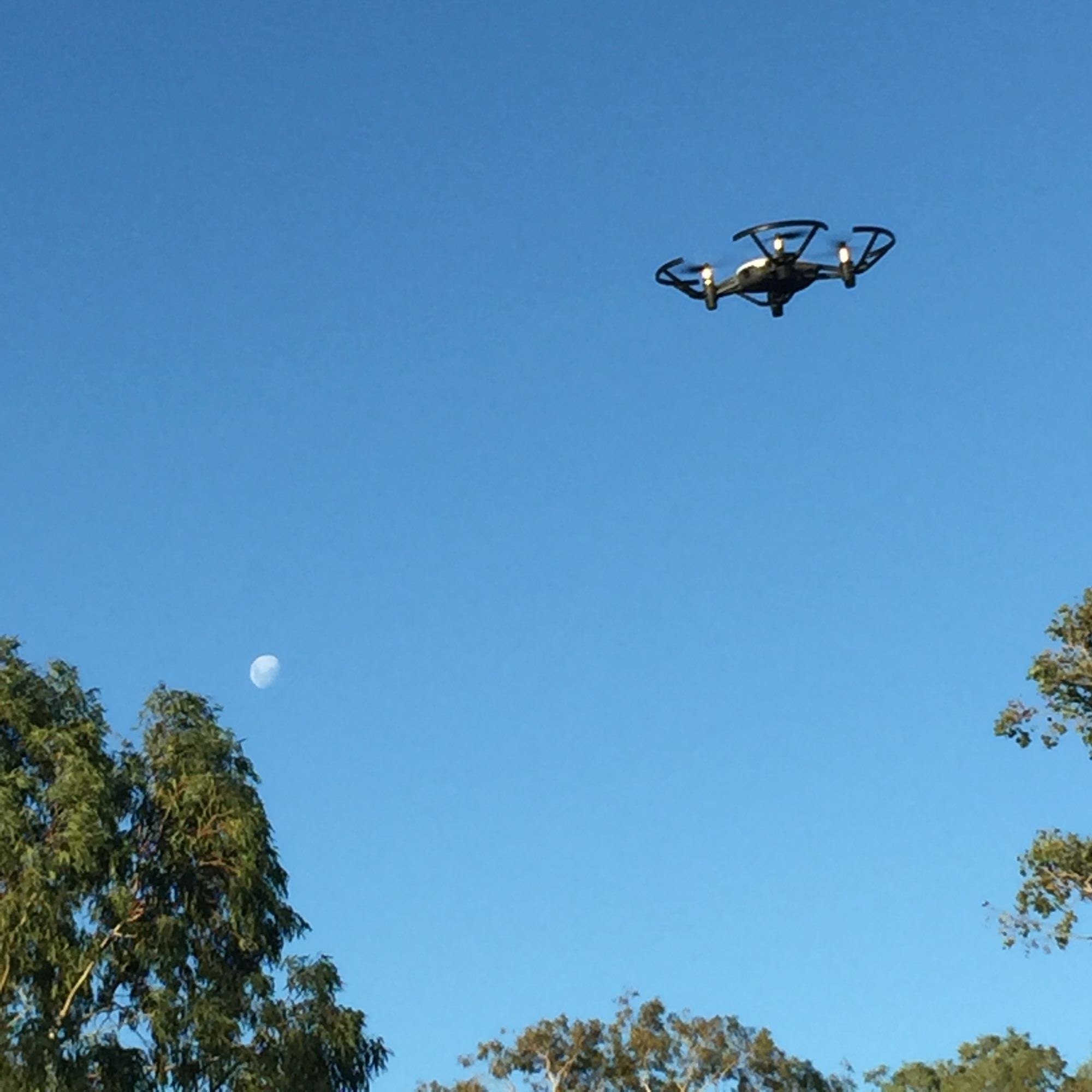
We left home mid March and travelled across Queensland to the Northern Territory on our ‘big lap’ of Australia. This was third time lucky for us – the first time was delayed due to our beautiful 4th granddaughter being born; the second due to Covid – so third time lucky! We try not to travel far each day and usually stay about 2 -3 nights, but that might change the closer we get to WA. Travelling through Queensland we stayed at places we already knew and have often stayed before. We waited until the wet season was over to start our trip, and although there were still two cyclones hovering off the Western Australia Coast, we were keeping an eye on them. (They did terrible damage once they crossed the WA coast). We were delayed a week due to the flooding in South East Queensland and when we finally set off we headed to Bowenville Reserve, east of Dalby for a few days. We have been here a number of times, and have seen the improvements that have been made over time. This time we stayed down near the river. The reserve has a few covered picnic tables, a toilet block, and a small playground. It is quite a large area and is free! This few days gave us time to set up the van properly for the trip and to make a list of what we forgot :) . Peter played with his new drone and I did some sewing.

The second day we woke up and the river had risen. Lucky we had planned on two nights there as the road in and out was closed due to flooding.

The third day the river had dropped and we headed to Dalby for some ‘Peter’ coffee and some groceries. Next stop was Wallumbilla fo for a couple of nights. We stopped at Chinchilla for lunch and to see the new 'BIG Watermelon'.

We stayed at the showgrounds with power and water for a donation of $10. There are also toilets, shower and a dump point.

While there we walked around the old station. Peter and I have been there before and we wanted Jonnie to see it. The story of Harry Thompson was interesting. Local legend has it that Harry was actually Steve Hart of Ned Kelly Gang fame. History tells us that he died at Glenrowan, however the bodies pulled from the burnt out tavern were not able to be identified and were assumed to members of the Kelly gang.

We also did the ‘Tourist Route’ drive, which was ok, but not a lot of interesting history to see, only a lot 'this was the site of.....'. Nice countryside though. We did find a tortoise statue where we were going to have lunch but it was very overgrown so we went back to the van to eat.

We planned on staying at Morvan Recreation Oval next and stopped at the town of Mitchell to get bread rolls for lunch. We have never stopped here. What an interesting town. 

Named after the explorer Sir Thomas Mitchell who set up camp on the river he named Maraona in June 1846. He was on an expidetion to find an overland route from Sydney to The Gulf of Carpentaria. We explored the old court house and lovely garden walk that tells the history of the area.

When we pulled into Morvan, it was quite full so we continued onto Augathella. We visit Augathella each time we are out this way and this was the first time we stayed here. There are a number of donation camps around Augathella, we chose the one closest to town. 

The toilets were chained, maybe due to Covid, and not many rubbish bins. We left $5 donation, but probably wont stay there again. We did notice the town, which is famous for its wire sculptures, have a lot less sculptures than last trip. I wonder what’s going on there.

There was a new mural (and I love murals) on the water tower.

 The end of week one and a 3 day snap lock down was put in place for anyone who had been in Brisbane on certain dates. That included us, so we headed to Blackall for our three days isolation, and start of week 2.

See PetalliTravellers on YouTube.

Monday, 11 June 2018

Continuing the Journey: Chinchilla, Queensland

We stopped at Woolies in Chinchilla to get groceries and headed to Chinchilla Weir, about 10km south. It was packed and even overflowing into the 'no camping beyond this point' section. We found great spot along the fence as we don't need power and spent a lovely peaceful evening. The following morning most people left, so we moved to a powered site. Not bad for $5 donation a night. There is a toilet block a short walk away and it is so quiet. The weather has been good, a little over cast Saturday, but no rain or wind. The internet and phone reception is hit and miss, but we were not worried. We decided to stay the weekend and explore some more of the area.
Chinchilla is named after Chinchilla Station which was established in 1848. The word Chinchilla comes from the Aboriginal word 'jinchilla', which was the name for the cypress pine which grows in the area.  The Aboriginal Barunggam clan lived and moved through the area. The first European to the area was Allan Cunningham in 1827 and settler moved in the 1840's. The railway arrived in 1878 and a town was established.
Chinchilla is famous for two things: petrified wood, and the 'Miracle Bug'.
We went to look at one of the fossicking areas. To fossick in Queensland one needs to get a permit, and here in Chinchilla the two fossicking sites are on private property so a fee is also paid to the land owners via the tourist information centre. We are not fossickers and wouldn't even know what to look for. The petrified wood in Chinchilla dates back to the Jurassic period (140-180 million years ago) when trees were covered with volcanic ash and buried in a lava or mud flow. We had a look along the top of the soil, but......
We went and had a walk down the old historic side of town, not many buildings left there now. One of the historic signs said Aboriginals knew not to camp at the location, and it took whites 60 years of floods to realise they needed to move the town. We drove out to the other free camp north of town, which is located on a waterhole. Looked nice. The town has a food works, petrol stations, clubs and fast food takeaway. We filled up the car and went to look at the “Shanti” Bug Farm Memorial Wall and Shed. This was very interesting. It is a replica of the end of a shed used to breed the cactoblastis moth to help to eradicate the prickly pear. The memorial is situated near the entrance of the property. We have often wondered if prickly pear was an introduced species. There was nothing written about the introduction of the plant at the Bug Farm Memorial, and no one at the information centre seemed to know, so I Googled it when we had reception. Admiral Phillip led the First Fleet to Australia in 1788, he brought with him the prickly pear plant in order to create a dye factory and produce red dye from the plant for the soldiers jackets. Some 60 years later Matthew Goggs brought the plant to the Chinchilla district. By 1870 the plant was out of control, and was later listed as a noxious weed. 
Chinchilla also has a watermelon festival every two years which we must look at visiting one year. I didn't know that 25% of Australia's melons are grown in the Chinchilla area.

Wednesday, 3 August 2016

Chinchilla Weir

We left Clifton and took some smaller farm roads to Pittsworth and then met the highway between Jondaryan and Dalby and headed to Chinchilla. We stopped to get a few groceries before heading down to the Weir, approximately 8kms from the town. It is situated on the Condamine River and is an open area with two power poles and a small clean toilet block. Maximum stay is two nights, although some vans had been there a little longer. We chose a spot with views of the river and settled in for two days of peace and quiet.
The Weir was built in 1973 to provide irrigation to local farms and to supplement the local water supply. It is built of concrete. The water level is well below the top of the weir.
The name Chinchilla comes from Ludwig Leichhardt's Expedition in 1844. An Aboriginal guide described the area as 'jinchilla' - meaning plentiful trees, - to describe the many cypress pines in the area.
We had a lovely few days with Peter fishing while I did some sewing.

Thursday, 12 September 2013

Charleville part 1

The road from Roma to Charleville had a lot of road works. The longest we had to wait was 25 mins. The road is being updated and repaired following the 2010 floods.

 The trip from Chinchilla to Charleville was suppose to take about 5 and a half hours. It took 6 and a half hours.


 We choose the Bailey Bar Top Tourist Park. It was the only caravan park we pre-booked.
It was great. Clean, staff were friendly and helpful, AND it was quiet.
We booked for three nights and that was about right.

 Here is Peter getting organised. Look at the red dirt on the front - we followed a water truck.

 The caravan park has camp fire meals some nights. Peter and Jonnie had them. I made a chicken salad.
Jonnie got confused with the names of the toilets- he said the names were different - and we had to explain it to him.


The first morning we went to the free weather station tour. It started at 8.45 and went until 10.15. It was very interesting. Jonnie loved it and was told about a different Australian website for weather, which he spent most of the afternoon on.

 First we watched the recording of all the outside instruments with explanation of how they were recorded before computers and how they are recorded now.
Then we went inside to look at a weather balloon and to hear about how it works.
At 9.15 each morning the balloon is automatically released from this machine.
 It was really quick. We came back the next morning to video tape it.

 Once inside again we were able to see the information the balloon was sending back.

 Jon looking at a weather balloon.
Next stop was the information centre and the Cosmos Centre.
 At the Cosmos Centre we were unable to book a night tour as the 7.30 tours were booked out, so we did the day tour and got to hold real meteorites and play interactive games. Not a bad way to spend a few hours. Could have done that at home, but the meteorite talk was interesting.

After Cosmos we went to a park to see the rain making guns.
 Here is Peter on one of the many old machinery items in the park.


 Apparently the guns didn't work and there was no rain.

 That afternoon Peter and I did a tour of the Corones Hotel. It is in need of repair, but very interesting.
The tour guide we had was lovely and I would recommend the tour.
 Beautiful stain glass windows and ceiling decorations.

 This is where the 1990 floods rose to in the hotel.

 The bar is one of the longest in Australia.


We heard a very interesting history of the Corones family.
This was originally a dance hall that also catered to the US Soldiers stationed here in Charleville.
 Papa Corones also built this dwelling out the back to house his staff.

The upstairs mens smoking room that was converted to the families lounge room.
It was just like a museum.

 .... and of course a sewing machine.

 This is the room that Amy Johnson stayed in. She asked for a bath filled with champagne.
And got it. The bath looked awful - I wouldn't stay there and I wouldn't have a bath in that bath - yuck.


 An old icebox


 View from the hotel verandah looking towards the levy bank.


We had a great day.

Allison